A press kit (or EPK, electronic press kit) is the page you send when someone might book you, write about you or put you on a lineup. They are busy. They open it, look for a few things, and decide in about a minute whether to keep reading.
That makes the job simple: put the things they look for where they can find them, and nothing else.
Who reads it
- Promoters and venues want to know if you can fill a room: where you have played, what you sound like live, how to reach your booking contact.
- Journalists want a story and material they can use: a bio they can quote, photos they can publish, your latest release.
- Festivals and showcases want all of the above, often in a single PDF attached to an application.
The essentials
1. Photos they can actually use
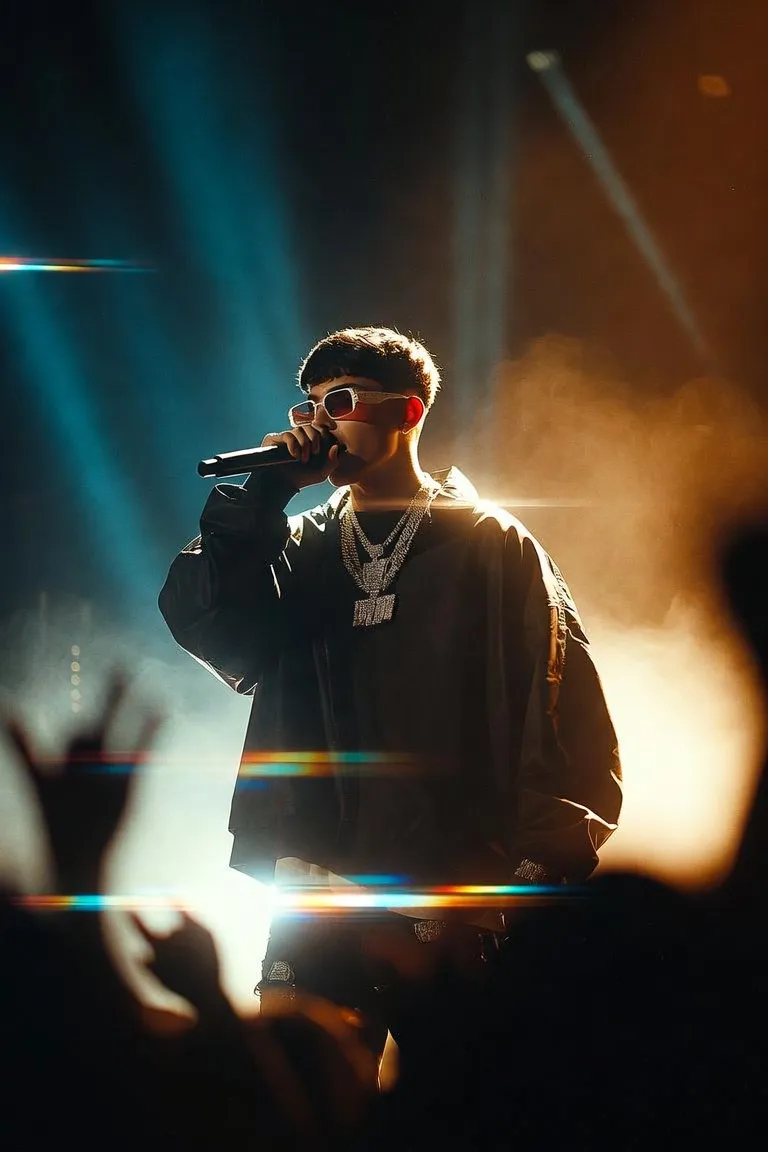
Two or three high resolution photos, at least one horizontal and one vertical. Recent, well lit, and with the photographer's name so they can credit it. A blurry phone photo is the fastest way to look less ready than you are.
2. A short bio and a long bio
The short bio is two sentences someone can paste into a poster or a lineup announcement without editing. Who you are, where you are from, what your music sounds like.
The long bio is three or four short paragraphs: where you started, what changed, what you are doing now. Write it in the third person and lead with the most interesting fact, not your birth year.
3. Your music, newest first
Your latest release goes at the top, with links to Spotify and Apple Music. Then your three to five strongest songs. Nobody needs your full discography here; your website can hold that.
4. Video, ideally live
A live performance video tells a promoter more than any sentence. If you only have official videos, use your best one. Keep it to one or two.
5. Shows
Cities and venues you have played, and the ones coming up. A short list of real rooms builds more trust than a vague "200+ shows".
6. Press quotes (if you have them)
One line each, with the name of the outlet and a link. Two good quotes beat ten weak ones. If you have none yet, skip the section; an empty "Press" heading hurts more than no heading.
7. Contact
One email for booking and one for management, clearly labeled. If you handle everything yourself, one email is fine. This is the part people most often forget, and the one they need most.
8. Social links
Instagram, TikTok and YouTube are enough. Make sure every link works.
What to leave out
- Numbers you can't back up. Inflated follower counts or "millions of streams" without a source make people doubt everything else.
- A 20 page PDF. One or two pages is the right length.
- Old material. A press kit that still says "new single" about something from two years ago tells people you are not active.
- Personal data. Your birth date, home address or phone number have no place in a public document.
Link or PDF?
Send a link whenever you can: it is always up to date and easy to forward. Keep a PDF version for applications that ask for an attachment, and regenerate it every time something changes.
The checklist
Two or three high resolution photos with credit · Short bio (two sentences) · Long bio (three or four paragraphs) · Latest release with links · Three to five best songs · One or two videos · Past and upcoming shows · Press quotes, if any · Booking and management email · Working social links
The hardest part is not making a press kit. It is keeping it current after every release and every show. That is exactly the part worth automating.